Emirates Shipping Association
How Innovative Ship Technologies Can Safeguard Oceans and Comply with IMO Regulations


Hisham Ali, Vice President, Ocean Division, MEA at Alfa Laval, examines how shipowners can improve fuel efficiency, meet IMO Carbon Intensity Indicator requirements and reduce environmental impact through smarter hull management, anti-fouling technology and more strategic use of dry docking.
With more than a decade experience in the Maritime Industry in MEA, through various leadership roles across top tier technology providers, Hisham Ali brings vast experience in supporting Maritime companies in optimising their fleet of vessels and paving the way for a more sustainable future. This is achieved through various cutting edge technology solutions to reduce GHG emissions and enhance energy efficiency in their fleet and thereby paving the way for a more sustainable fleet.
In his current role as Vice President, Ocean Division, MEA, Hisham Ali is responsible for Alfa Laval’s operation throughout 42 countries in MEA region for the Maritime Industry, both for Capital Projects and for Technical Services of the equipment’s in operation.
————
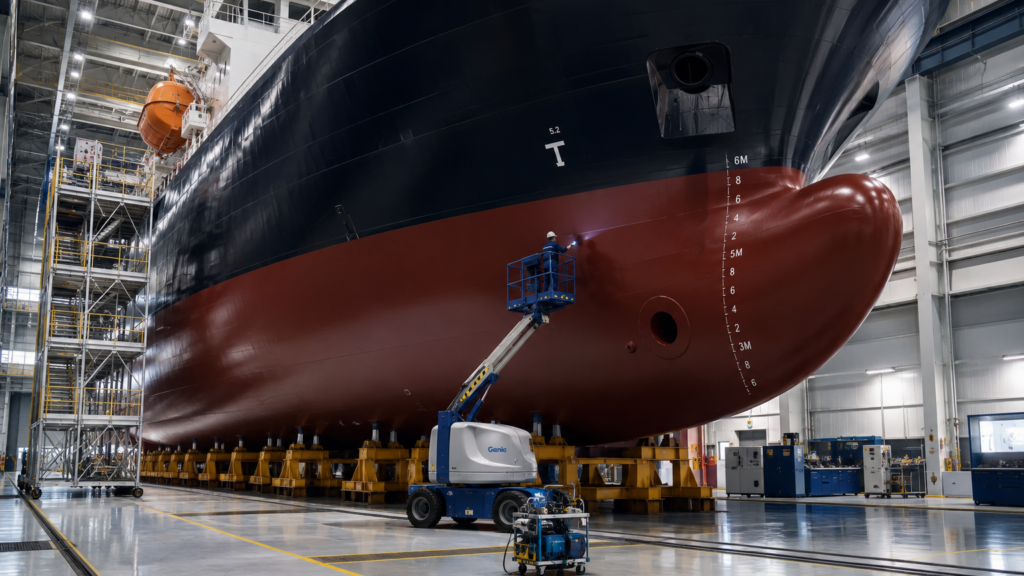
As the global maritime industry accelerates toward decarbonisation under the guidance of the International Maritime Organization (IMO), shipowners today face a dual responsibility: safeguarding fragile marine ecosystems while meeting increasingly stringent regulatory frameworks such as the Carbon Intensity Indicator (CII). While new fuels and vessel design often dominate the sustainability conversation, some of the most impactful marine technology innovations lie beneath the waterline, and in how vessels are maintained throughout their lifecycle.
Fuel Efficiency as the New Environmental Imperative
CII compliance has firmly shifted the industry’s focus from theoretical efficiency to measurable, year-on-year operational performance. At its core, CII is about reducing fuel consumption per transport work done. Lower fuel burn not only improves a vessel’s CII rating but also directly reduces greenhouse gas emissions, supporting broader IMO decarbonisation targets while protecting the marine ecosystem and reducing operational costs.
However, fuel efficiency is not influenced by engines alone. Hull condition, hydrodynamic resistance, and biofouling play a critical role in determining how hard a vessel must work to maintain speed, often accounting for fuel penalties of up to 15–20% if left unmanaged.
This is where marine innovation and advanced marine technology become both an environmental and a commercial enabler.
Rethinking Hull performance Through Technology
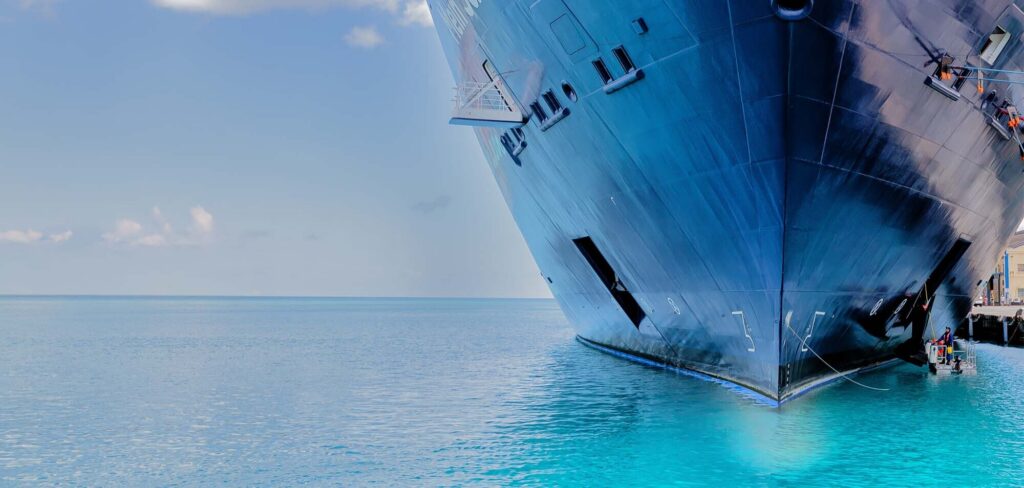
Biofouling is not just an efficiency issue; it is a silent threat to the marine ecosystem. Invasive species transported through hull fouling disrupt local biodiversity, while increased drag leads to higher fuel consumption and emissions, directly impacting a vessel’s CII performance and alignment with IMO regulations.
Advanced ultrasonic anti-fouling technologies like Sonihull’s are redefining how shipowners approach hull and niche area protection. By using low-frequency ultrasound to prevent the settlement of microfouling, these marine technology solutions help vessels maintain smoother hull surfaces without relying on biocidal coatings.
The result is a cleaner hull, lower drag, improved fuel efficiency, and reduced environmental impact, all achieved continuously during operation, not just during dry dock intervals. For shipowners navigating CII compliance, this translates into more predictable performance, stronger alignment with IMO objectives, and fewer corrective measures later.
Dry Docking: From Maintenance Event to Strategic Lever
While technology plays a vital role during voyages, dry docking remains a pivotal moment in a vessel’s sustainability journey. Traditionally viewed as a compliance or maintenance necessity, dry docking is increasingly becoming a strategic opportunity to reset and future-proof vessel performance, both environmentally and operationally.
Modern dry-dock services like Alfa Laval’s now go beyond steelwork and inspections. When approached holistically, they enable shipowners to:
- Restore hydrodynamic efficiency
- Upgrade energy-saving systems
- Integrate digital and performance-enhancing marine technology
- Extend asset life while reducing lifecycle emissions and impact on the marine ecosystem
By combining condition-based assessments, hull optimisation, and smart retrofits, shipowners can emerge from dry docks with vessels better aligned to IMO CII trajectories and long-term environmental goals.
The Power of an Integrated Approach
Sustainable shipping will not be achieved through isolated technologies or one-off interventions. It requires an ecosystem of solutions, from hull protection and heat recovery to performance monitoring and lifecycle services, working together to deliver consistent efficiency gains and long-term protection of the marine ecosystem.
This integrated mindset is where marine innovation truly delivers value. When shipowners partner with solution providers that understand both marine technology and service, they gain access to insights that connect operational realities with IMO regulations and evolving CII requirements.
As the industry looks ahead, the path to CII compliance and marine ecosystem protection is clear: focus on efficiency where it matters most, invest in proven innovation, and treat vessel maintenance as a strategic asset.
Because in the race toward sustainable shipping, the biggest gains often come not from radical change but from smarter decisions made below the waterline.
Press Enquiries
For media enquiries, interview requests or further information on this topic, the Association's communications team is available to assist.