Emirates Shipping Association
Emirates Shipping Association Member Advisory: Maritime Operations in the Gulf Region


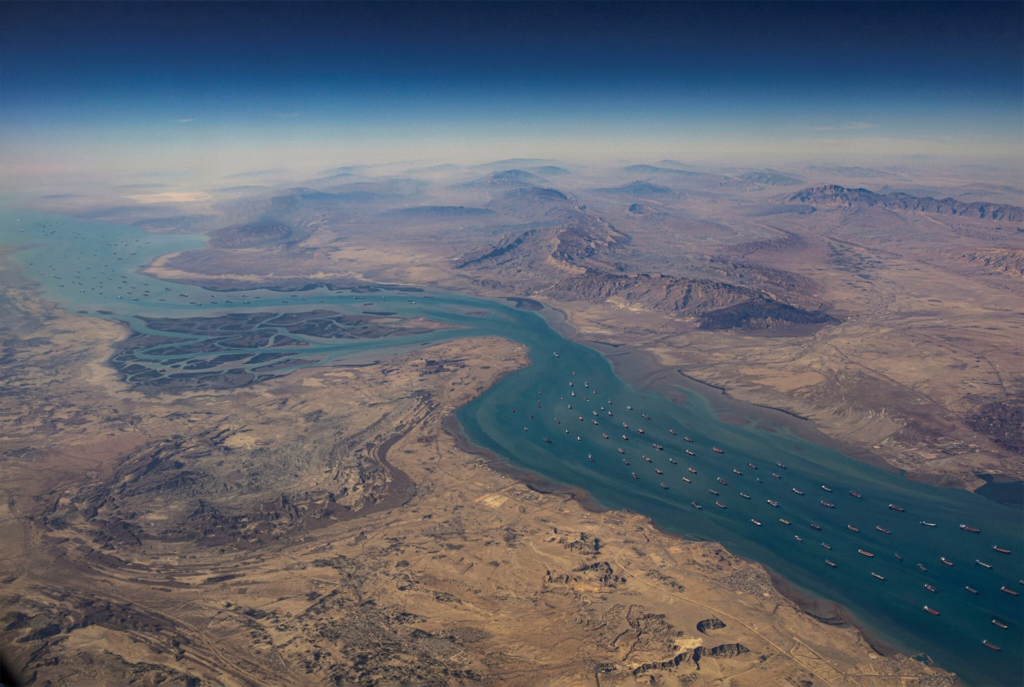
The Gulf region has experienced an unprecedented escalation over the past few days, with direct and intensifying implications for maritime operations, vessel safety, and the movement of global trade through the Strait of Hormuz. This advisory provides an overview of the current situation, the status of UAE ports, and guidance for members.
Situational Overview
Following the joint US-Israeli military strikes on Iran commencing 28 February 2026 and the subsequent retaliatory attacks by Iranian forces across the region, the maritime operating environment in the Arabian Gulf, the Strait of Hormuz, and adjacent waters has changed materially and continues to deteriorate.
The UAE Government has condemned the Iranian attacks in the strongest terms, characterising them as a flagrant violation of national sovereignty and a clear breach of international law. The National Emergency Crisis and Disaster Management Authority has stated that the security situation in the country is under control. The conflict remains active and members should expect conditions to evolve rapidly.
The Association’s foremost concern is the safety and wellbeing of all seafarers, shore-based personnel, and civilians affected by these events. We are deeply mindful of the risks now facing our members, their crews, and their families. Our thoughts are with the injured, the displaced, and every maritime professional operating under extraordinarily difficult circumstances in the Gulf region.
Status of UAE Ports
Members should note that, as of the time of this advisory, UAE port operations remain largely functional and demonstrate the resilience of this nation’s maritime infrastructure:
- Jebel Ali: DP World confirmed on 4 March that all four terminals are operating normally, with enhanced safety and security measures in place across the port.
- Hamriya and Sharjah: Operating normally.
- Fujairah and Khor Fakkan: Open and operating at full capacity. Members should note that two fire incidents occurred in the Fujairah Oil Industry Zone (FOIZ), adjacent to Fujairah Port; these have been contained and operations have resumed. The Fujairah Local Port Authority has issued Navigational Warning 01/2026 advising that intermittent GPS signal spoofing and jamming has been reported in the Fujairah offshore area.
- Abu Dhabi: AD Ports Group has confirmed that all ports under its management remain fully open. Ruwais Port and Abu Dhabi petroleum ports continue to operate at ISPS Level 2; all other UAE ports remain at ISPS Level 1.
- Ras Al Khaimah: RAK Ports reports all facilities operating without disruption. Following formal directives from UAE Federal Security Services, Iranian-registered vessels and barges or cargo originating from Iran are not accepted at any RAK Ports facilities.
This operational continuity of the UAE’s port infrastructure reflects the preparedness and professionalism of the UAE’s port authorities and the maritime community serving them.
Members should be aware that while UAE ports remain operational, major container lines have imposed significant booking restrictions and cargo acceptance limitations across the Gulf region. These restrictions vary by carrier, cargo type, and trade lane, and are changing rapidly. Members are strongly advised to confirm booking availability and any applicable surcharges directly with their carriers before committing cargo.
Strait of Hormuz
While no internationally recognised legal closure has been declared, the IRGC stated on 3 March that the Strait was “closed” and warned that any vessel attempting transit would be attacked. In practice, commercial traffic through the Strait has effectively halted. Ship-tracking data indicates an 81% reduction in traffic compared to the prior week, with no vessels observed entering the Strait on 1 or 2 March.
At least five tankers have now been damaged and two seafarers lost their lives. Approximately 200 tankers are stranded in the Middle East Gulf, including 60 VLCCs, representing nearly 8% of the global compliant VLCC fleet. A further 132 container ships with a combined capacity of 458,000 TEU remain trapped inside the Persian Gulf.
All major container lines — Maersk, MSC, Hapag-Lloyd, CMA CGM, and COSCO — have suspended transits through the Strait of Hormuz. CMA CGM and Hapag-Lloyd have imposed emergency surcharges: CMA CGM’s Emergency Conflict Surcharge ranges from $2,000 to $4,000 per container, and Hapag-Lloyd’s War Risk Surcharge is set at $1,500 per TEU ($3,500 for reefer/special cargo), effective 2 March 2026. Services are being rerouted via the Cape of Good Hope, adding an estimated 10 to 14 days to Asia-Europe transit times.
The MSCIO continues to advise that transit remains technically permitted but traffic is significantly reduced.
Insurance and Risk
The insurance landscape has shifted materially. Several marine insurers including Gard, Skuld, NorthStandard, the London P&I Club, and the American Club have issued cancellations of war risk cover for ships in Iranian waters, the Gulf, and adjacent waters, taking effect from 5 March. Japan’s MS&AD Insurance Group has separately suspended underwriting of war risk policies for the waters around Iran, Israel, and neighbouring countries. The JMIC has elevated the regional maritime threat level to CRITICAL — its highest classification.
Spot shipping rates from the Middle East to Asia have nearly tripled since the start of 2026. VLCC benchmark freight rates from the Middle East to China hit an all-time record of $423,736 per day on 3 March, an increase of more than 94% from the prior session. War risk insurance premiums are expected to rise by as much as 50%. The US Government has announced its intention to offer political risk insurance for maritime trade in the Gulf through the US Development Finance Corporation (DFC), though implementation details and timing remain unconfirmed.
Members are strongly urged to review their war risk and P&I arrangements as a matter of urgency and engage directly with their insurers and brokers to understand the implications of these cancellations on current and planned voyages.
Guidance to Members
In this rapidly evolving and high-risk environment, Emirates Shipping Association urges all members to observe the following:
- Rely exclusively on verified official information from recognised maritime security authorities, including UKMTO, MSCIO, and US Naval Forces Central Command (NAVCENT). Conduct enhanced and dynamic risk assessments for all vessels operating in or transiting through the Arabian Gulf, Gulf of Oman, Strait of Hormuz, and Red Sea. Implement the latest Best Management Practices (BMP) maritime security guidance in full.
- Maintain a listening watch on VHF Channel 16 and be prepared to respond to coalition naval hails. Maintain a minimum 30-nautical-mile standoff from US naval units. Enhance radar and landmark procedures to support safe navigation, as GNSS systems are highly likely to be unreliable in the region, particularly in the Fujairah offshore area, where GPS spoofing and jamming have been officially reported.
- Review and activate relevant charterparty war risk clauses, including BIMCO CONWARTIME 2013/2025 and VOYWAR 2013/2025 provisions. Members with crew on vessels at anchor or delayed due to disruption should ensure welfare plans are active and that communication channels with seafarers’ families remain open.
A Clear Principle
The safety of our people at sea and on shore must remain the overriding priority.
Seafarers are not parties to this conflict. They are professionals performing their duties in service of global trade. Their protection is a shared and non-negotiable responsibility — one that transcends commercial interests and geopolitical considerations.
The UAE maritime sector has weathered disruption before. The operational continuity of our ports, the resolve of our government, and the professionalism of our industry stand as testament to the strength and preparedness of this nation’s maritime infrastructure. Emirates Shipping Association stands with the UAE’s leadership and reaffirms its full support for the government’s position on the protection of national sovereignty and the safety of all who live and work in this country.
Emirates Shipping Association remains in close coordination with the authorities and international maritime organisations and will continue to issue updates as the situation develops. Members are encouraged to contact the Association’s Secretariat with any operational concerns or intelligence that may assist the wider membership.
This advisory is issued for informational purposes and does not constitute legal, insurance, or operational advice. Members are advised to consult their own legal, insurance, and security advisors regarding specific voyage and operational decisions.
CNBC, Oil Supertanker Rates Hit All-Time High
https://cnbc.com/2026/03/03/middle-east-crisis-iran-us-shipping-oil-tankers-strait-of-hormuz.html
CNBC, The Strait of Hormuz Crisis Explained https://cnbc.com/2026/03/02/strait-of-hormuz-crisis-us-iran-israel-war-shipping-trade-oil.htm
DP World, Statement 4 March 2026 https://gulfnews.com/business/dp-world-confirms-jebel-ali-port-operations-continue-without-disruption-1.500462917
Gard, Escalating Conflict in Middle East Threatens Gulf Shipping https://gard.no/en/insights/escalating-israel-iran-conflict-threatens-gulf-shipping
GAC Hot Port News, Update on the Middle East Situation https://gac.com/hot-port-news/update-on-the-middle-east-situation
gCaptain, The First 36 Hours Strait of Hormuz
https://gcaptain.com/the-first-36-hours-strait-of-hormuz-becomes-a-war-zone-tankers-hit-shipping-giants-halt-gulf-transits
Gulf News, Oil Shipping and Insurance Costs Spike as Hormuz Tensions Test UAE Trade Routes https://gulfnews.com/business/markets/oil-shipping-insurance-costs-spike-as-hormuz-tensions-test-uae-trade-routes-1.500461237
Heavy Lift PFI, Carriers Adjust Routes to Steer Clear of Gulf Port Calls https://heavyliftpfi.com/editorial/2026/03/04/carriers-adjust-routes-to-steer-clear-of-gulf-port-calls
Inchcape Shipping Services, Middle East Port Operations Update https://iss-shipping.com/advisories/middle-east-port-operations-update
Insurance Journal, Marine Insurers Cancel War Risk Cover as Iran Conflict Escalates
https://insurancejournal.com/news/international/2026/03/02/860022.htm
Lloyd’s List, Around 200 Compliant Tankers Stranded
https://lloydslist.com/LL1156500/Around-200-compliant-tankers-stranded-as-Strait-of-Hormuz-closure-freezes-Gulf-traffic
Maersk, Situation in Middle East Port Operation Updates, 4 March 2026
https://maersk.com/news/articles/2026/03/04/situation-middle-east-port-operation-updates
MSCIO Advisory 01_2026 Update 02
https://mscio.eu/folder/documents/MSCIO%20Advisories
Reuters, Iran Conflict Disrupts Shipping https://reuters.com/business/energy/iran-conflict-disrupts-global-shipping-tankers-are-stranded-damaged-2026-03-02
Reuters, Platts to Consider Alternative Routes for Middle East Freight Assessments https://reuters.com/business/energy/platts-consider-alternative-routes-middle-east-freight-assessments-iran-crisis-2026-03-03
South China Morning Post, Shipping Firms Suspend Gulf Routes https://scmp.com/economy/global-economy/article/3345291/shipping-firms-suspend-gulf-routes-iran-war-leaves-132-vessels-trapped
UAE Ministry of Foreign Affairs
https://mofa.gov.ae/en/MediaHub/News/2026/2/28/UAE-IranUAE National Emergency Crisis and Disaster Management Authority, Situation Under Control
https://wam.ae/en/article/byyv9m3-ncema-authorities-confirm-situation-under-control
Press Enquiries
We are eager to provide you with more information. Please don’t hesitate to reach out.