Emirates Shipping Association
Member Advisory Update: Maritime Operations in the Gulf Region (15 March 2026)


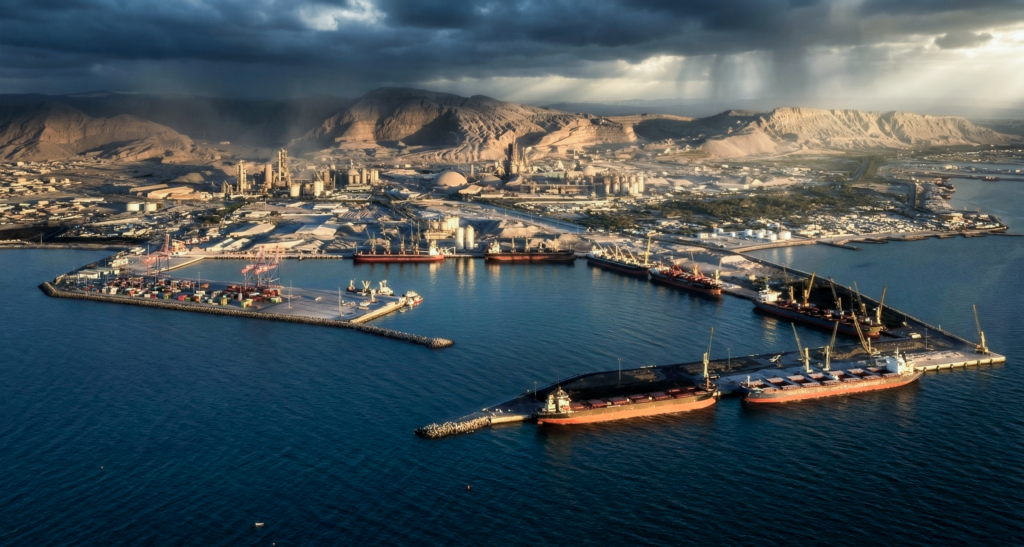
The situation in the Gulf has continued to evolve rapidly since our last advisory of 4 March 2026. The conflict remains active, commercial vessels have been impacted, and approximately 20,000 seafarers remain stranded across the region. The Strait of Hormuz remains effectively closed to routine international shipping.
Situational Update
As the conflict between the US, Israel, and Iran enters its second week, the JMIC threat level remains at CRITICAL. On 11 March, the UN Security Council adopted a GCC-sponsored resolution condemning Iran’s attacks on Gulf states and demanding the immediate cessation of all actions aimed at obstructing international navigation through the Strait of Hormuz.
Iranian authorities have issued public advisories urging civilians to avoid or leave port areas in several Gulf states, including the UAE, citing potential escalation risks. UAE authorities have not issued any evacuation directives, and port operations across the country continue under existing security protocols. Members are advised to rely on verified updates issued by UAE authorities and recognised maritime security agencies.
The International Transport Workers’ Federation and the Joint Negotiating Group have designated the Strait of Hormuz, Gulf of Oman, and Arabian Gulf as a warlike operations area, granting seafarers additional contractual protections including enhanced pay and the right of refusal. Members with crew on vessels in the region should be aware of the implications of this designation for their charterparty and crew employment obligations.
Emirates Shipping Association is in active engagement with the UAE Ministry of Energy and Infrastructure and relevant authorities on measures to address current shipping challenges, including insurance and routing arrangements. Further details will be shared with members as they become available.
The Association’s foremost concern remains the safety and wellbeing of all seafarers, shore-based personnel, and civilians affected by these events. 1,000 international trading vessels and 20,000 seafarers remain stranded in the Arabian Gulf, according to IMO estimates. Seven seafarers have lost their lives in attacks on commercial vessels. These incidents highlight the very real risks now facing seafarers and commercial shipping in the region.
Status of UAE Ports
The UAE Ministry of Energy and Infrastructure has implemented a temporary customs facilitation measure allowing cargo destined for Jebel Ali or Abu Dhabi Ports to be cleared through the Ports of Fujairah and Khor Fakkan with direct road transport, streamlining logistics during the current disruption.
Here is the latest port-by-port status:
- Jebel Ali: All four terminals operating normally with enhanced safety and security measures in place.
- Hamriya and Sharjah: Operating normally.
- Fujairah and Khor Fakkan: Commercial port operations continue. However, normal operations at the Fujairah Oil Tanker Terminal have been suspended since approximately 0130 hours on 9 March following debris damage from a drone interception in the Fujairah Oil Industry Zone. A further fire incident occurred at the Fujairah bunkering hub on 14 March following debris from a drone interception, with some oil-loading operations again suspended. ADNOC’s Single-Point Mooring terminal continues Murban crude loading without interruption. Bunkering operations from barges to vessels continue using existing inventories, though terminal replenishment of barge stocks has been intermittent. Some shipowners have begun rerouting bunker calls to alternative ports. GPS spoofing and jamming continue to be reported in the Fujairah offshore area per Navigational Warning 01/2026.
- Abu Dhabi: AD Ports Group has confirmed that commercial port operations under its management remain open. Members should note that a fire at the Ruwais Industrial Complex following an Iranian drone strike led to a shutdown of ADNOC refinery operations. The operational status of Ruwais Port should be confirmed directly with AD Ports Group. Abu Dhabi petroleum ports continue to operate at ISPS Level 2; all other UAE ports remain at ISPS Level 1.
- Ras Al Khaimah: RAK Ports operating without disruption. The directive prohibiting Iranian-registered vessels, barges, and cargo originating from Iran remains in force.
Booking restrictions imposed by major container lines as detailed in our 4 March advisory remain in effect. Members are advised to confirm availability and surcharges directly with their carriers.
Marine service providers including pilotage, towage, bunkering, offshore support vessels, port agencies, and other maritime service operators continue to function across UAE ports under enhanced safety protocols. Providers should maintain close coordination with port authorities and terminal operators as vessel movements and service windows may change rapidly depending on regional security developments.
Members should also be aware of the potential for temporary port congestion should vessel traffic through the Strait of Hormuz resume suddenly. A rapid return of vessels currently waiting in regional anchorages may place pressure on berthing schedules, pilotage services, and terminal capacity across Gulf ports. Early coordination with port authorities and marine service providers will be essential to manage vessel arrivals safely and efficiently.
During the current disruption, UAE ports continue to play an important role in maintaining regional cargo continuity. Facilities in Fujairah, Khor Fakkan, Jebel Ali, and Abu Dhabi remain key logistics nodes supporting rerouting, bunkering services, and supply chain resilience for vessels operating in or around the Gulf region.
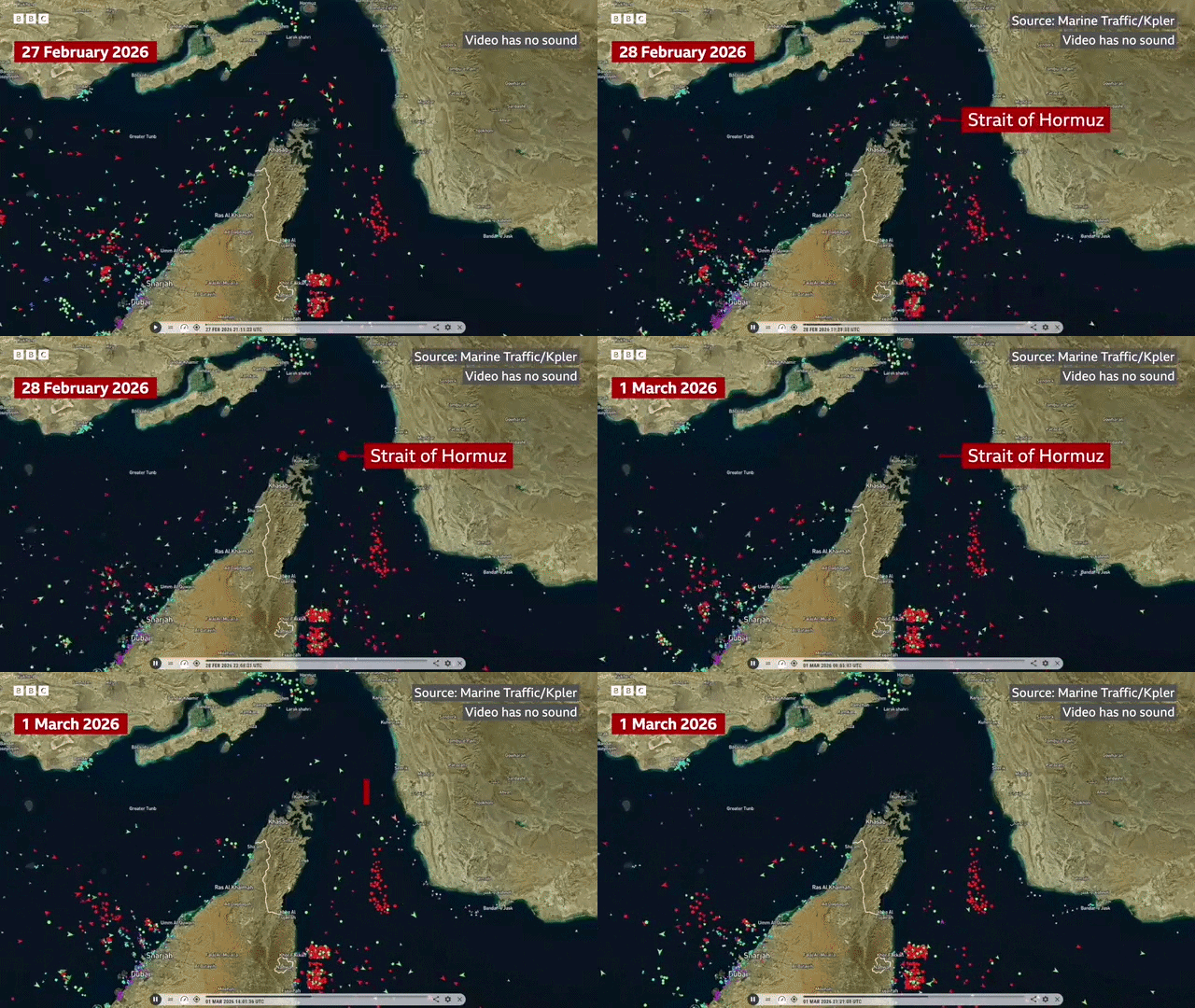
Strait of Hormuz timelapse shows fall in shipping traffic (Source: BBC – Click on image for full timelapse)
Strait of Hormuz
Commercial traffic through the Strait of Hormuz has come to a near standstill. AIS data indicates only seven vessel transits in the past 24 hours, compared with a historical daily average of approximately 138.
Since the start of the conflict on 28 February, UKMTO has recorded multiple incidents affecting vessels in and around the Arabian Gulf, Strait of Hormuz, and Gulf of Oman. As of 11 March, the count stood at 17, comprising 13 confirmed attacks and four reports of suspicious activity. Attacks have continued since and members should monitor UKMTO advisories directly.
On 11 March, three vessels were struck: the bulk carrier Mayuree Naree was set ablaze in the Strait with three crew members missing, the container ship ONE Majesty was damaged while at anchor, and the bulk carrier Star Gwyneth was hit northwest of Dubai.
The IRGC declared on 5 March that the Strait would remain closed to vessels from the US, Israel, and “Western allies.” A small number of Chinese-flagged and Turkish-operated vessels have transited, though this does not represent an established safe corridor and carries extreme risk. The potential deployment of naval mines in the Strait has been flagged by multiple intelligence sources.
All major container lines continue to suspend Strait transits and reroute via the Cape of Good Hope. War risk coverage cancellations issued in early March remain in force. The London Joint War Committee has expanded its listed high-risk area to include waters around Oman. Members are strongly encouraged to review their war risk and P&I arrangements without delay.
The disruption extends beyond container shipping. The Strait of Hormuz typically handles approximately 20% of global seaborne oil supply and a significant share of LNG exports. With exports unable to leave the region, several Gulf producers have begun scaling back production as storage capacity fills. Qatar declared force majeure on gas contracts on 4 March and has ceased LNG production. Brent crude has risen approximately 20% since the conflict began. For the UAE, these stakes are significant. The maritime and logistics sector contributes approximately AED 135 billion to the national economy and transport and storage is the fastest-growing non-oil contributor to GDP.
Guidance to Members
All guidance issued in our 4 March advisory, including BMP implementation, VHF Channel 16 monitoring, 30-nautical-mile standoff from naval units, and charterparty war risk clause review, remains in full effect. In addition, Emirates Shipping Association urges members to:
- Review crew obligations and prioritise welfare. The warlike operations area designation carries implications for crew contracts, including enhanced pay and the right of refusal. Members should also ensure welfare plans are active for stranded vessels, with open communication to families and mental health support available.
- Treat all satellite navigation as unreliable. More than 600 GNSS disruption events were reported across the region in the past 24 hours. Masters should maintain radar overlay and traditional navigation procedures as primary references.
- Report any unidentified floating objects to UKMTO immediately. The mine threat remains unconfirmed but has been flagged by multiple intelligence sources. Continue to rely exclusively on UKMTO, MSCIO, and NAVCENT for verified maritime security information.
We Stand Together
Emirates Shipping Association stands with the UAE’s leadership and the international community in demanding the protection of commercial shipping and the restoration of freedom of navigation in the Strait of Hormuz. We reaffirm our full support for the government’s position on the protection of national sovereignty and the safety of all who live and work in this country.
The safety of our people at sea and on shore must remain the overriding priority. If you are experiencing challenges or have intelligence that may assist the wider membership, we encourage you to contact the Association Secretariat at info@7emirates.com.
This advisory is issued for informational purposes and does not constitute legal, insurance, or operational advice. Members are advised to consult their own legal, insurance, and security advisors regarding specific voyage and operational decisions.
CNBC, Three Cargo Ships Struck Off Iran’s Coast
cnbc.com/2026/03/11/cargo-ship-struck-strait-of-hormuz-uk-iran-war.html
CSIS, No One, Not Even Beijing, Is Getting Through the Strait of Hormuz
csis.org/analysis/no-one-not-even-beijing-getting-through-strait-hormuz
GAC Hot Port News, Update on the Middle East Situation
gac.com/hot-port-news/update-on-the-middle-east-situation
Gard, Escalating Conflict in Middle East Threatens Gulf Shipping
gard.no/en/insights/escalating-israel-iran-conflict-threatens-gulf-shipping
gCaptain, Maritime Attacks Reach 13 in First 12 Days
gcaptain.com/maritime-attacks-reach-13-in-first-12-days-of-middle-east-conflict
Gulf Today, UAE Advances as Global Maritime Power
gulftoday.ae/business/2025/06/22/uae-advances-as-global-maritime-power-through-system-of-legislation-investments
IMO, Secretary-General Statement on Seafarer Deaths
imo.org/en/mediacentre/pressbriefings/pages/imo-secretary-general-statement-strait-of-hormuz-seafarer-deaths-unacceptable.aspx
Inchcape Shipping Services, Middle East Port Operations Update
iss-shipping.com/advisories/middle-east-port-operations-update/
Lloyd’s List, Fujairah Bunker Barge Loading Halted
lloydslist.com/LL1156569
Lloyd’s List, Middle East Port Operational Update, 10 March 2026
lloydslist.com/LL1156572
Al Jazeera, Iran Continues Intensified Attacks Across Gulf
aljazeera.com/news/2026/3/14/iran-continues-intensified-attacks-across-gulf-in-us-israel-war-fallout
Seatrade Maritime, Ship on Fire in Strait of Hormuz, Two More Struck
seatrade-maritime.com/security/ship-on-fire-in-strait-of-hormuz-two-more-struck
Seatrade Maritime, 20,000 Seafarers Stranded in the Gulf
seatrade-maritime.com/crewing/20-000-seafarers-stranded-in-gulf-imo-secretary-general
Seatrade Maritime, Deadly Attack on Tug Assisting Abandoned Ship
seatrade-maritime.com/security/tug-struck-assisting-abandoned-container-ship-in-strait-of-hormuz
The National, UN Warns 20,000 Sailors Stranded in Arabian Gulf
thenationalnews.com/news/mena/2026/03/05/un-warns-20000-sailors-and-thousands-of-cruise-passengers-stuck-in-arabian-gulf
The National, UN Security Council Adopts Resolution Condemning Iran Attacks
thenationalnews.com/news/us/2026/03/11/un-security-council-resolution-iran-war
UAE Ministry of Economy, GDP Growth First Nine Months 2024
moet.gov.ae/en/-/uae-gdp-sees-3.8-per-cent-growth-in-first-nine-months-of-2024
UAE Ministry of Foreign Affairs
mofa.gov.ae

Press Enquiries
We are eager to provide you with more information. Please don’t hesitate to reach out.